Archives
- 2026-10
- 2026-09
- 2026-08
- 2026-07
- 2026-06
- 2026-05
- 2026-04
- 2026-03
- 2026-02
- 2026-01
- 2025-12
- 2025-11
- 2025-10
- 2025-09
- 2025-03
- 2025-02
- 2025-01
- 2024-12
- 2024-11
- 2024-10
- 2024-09
- 2024-08
- 2024-07
- 2024-06
- 2024-05
- 2024-04
- 2024-03
- 2024-02
- 2024-01
- 2023-12
- 2023-11
- 2023-10
- 2023-09
- 2023-08
- 2023-07
- 2023-06
- 2023-05
- 2023-04
- 2023-03
- 2023-02
- 2023-01
- 2022-12
- 2022-11
- 2022-10
- 2022-09
- 2022-08
- 2022-07
- 2022-06
- 2022-05
- 2022-04
- 2022-03
- 2022-02
- 2022-01
-
To verify whether circulating APN
2024-05-23
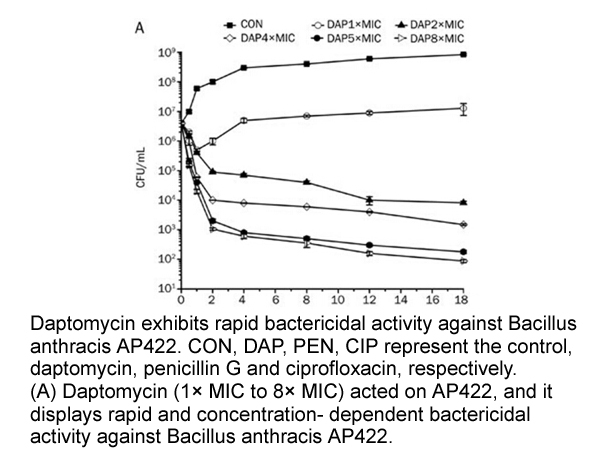
To verify whether circulating APN could protect cognitive function during aging, we detected the alterations in circulating adipoenctin levels in aging rats. Our results suggested that circulating APN levels reduced with age. Kawasumi et al’s study results are consistent with ours. They concluded th
-
Despite functional studies demonstrating the role of HT in
2024-05-23
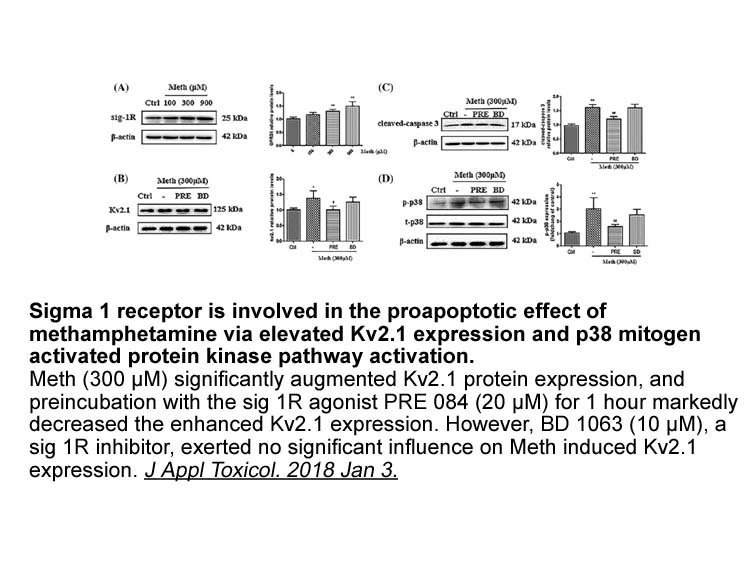
Despite functional studies demonstrating the role of 5-HT in ureteral contractility, the source of endogenous 5-HT in the ureter is unclear. Since 5-HT-containing enterochromaffin cells, which are present in the gastrointestinal tract, could not be found in the ureter (Nocito et al., 2007, Ripoche,
-
The accumulation of oxidized low density lipoprotein oxLDL i
2024-05-22
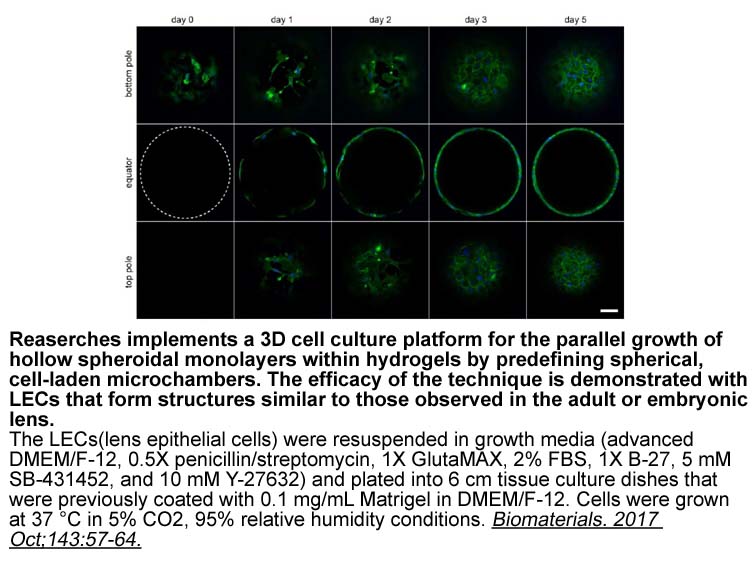
The accumulation of oxidized low-density lipoprotein (oxLDL) is one of the many causes of the initiation and progression of atherosclerosis (Virmani et al., 2002; Pirillo et al., 2013; Sun et al., 2016; Huang et al., 2016; Tabas, 2010). oxLDL-induced apoptosis of macrophages contributes to the forma
-
In summary present evidence suggests that antimicrobial ther
2024-05-22
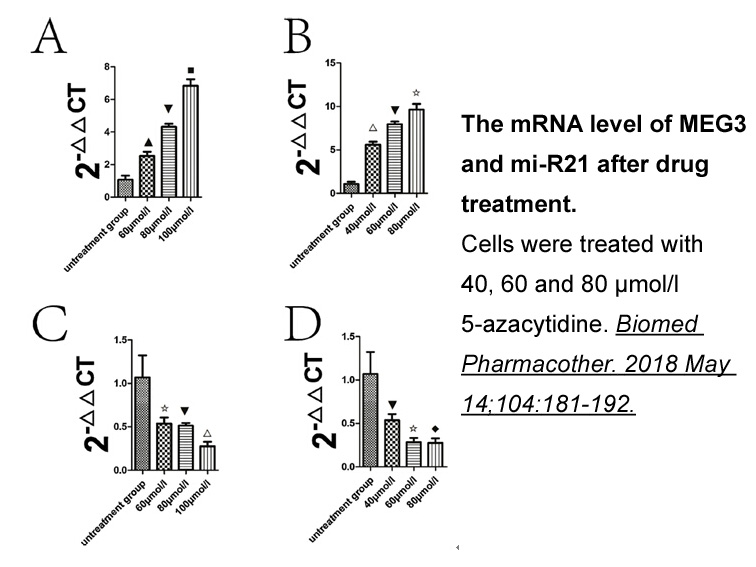
In summary, present evidence suggests that antimicrobial therapy for intra-abdominal sepsis can be shortened in patients exhibiting a clinical response to treatment. Hence, clinicians should use the resolution of clinical signs of infection as a guide to determine when during the 4–7-day window anti
-
br Androgen interference with the action of arachidonic acid
2024-05-22
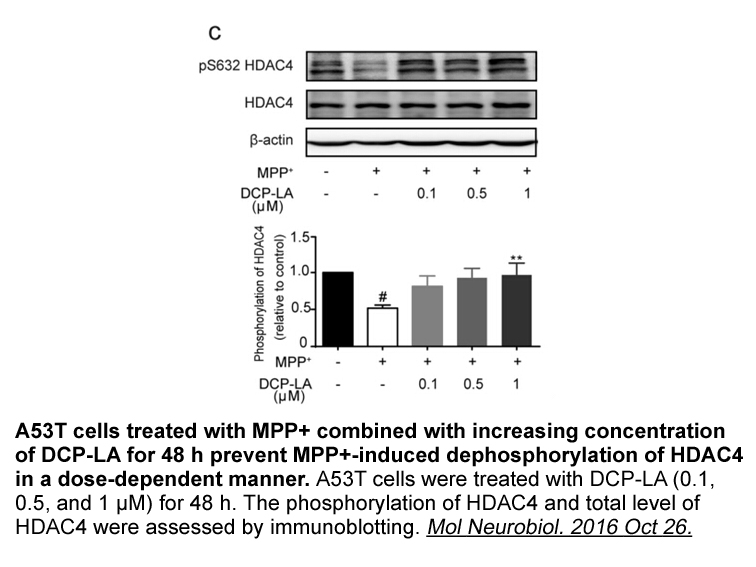
Androgen interference with the action of arachidonic 796 metabolites’ actions; the other side of the coin Arachidonic acid, being a polyunsaturated fatty acid present in the phospholipids of the membrane of cells, is highly abundant within the organism. It is mainly involved in cellular signaling
-
Although mature fibrils formed from
2024-05-22
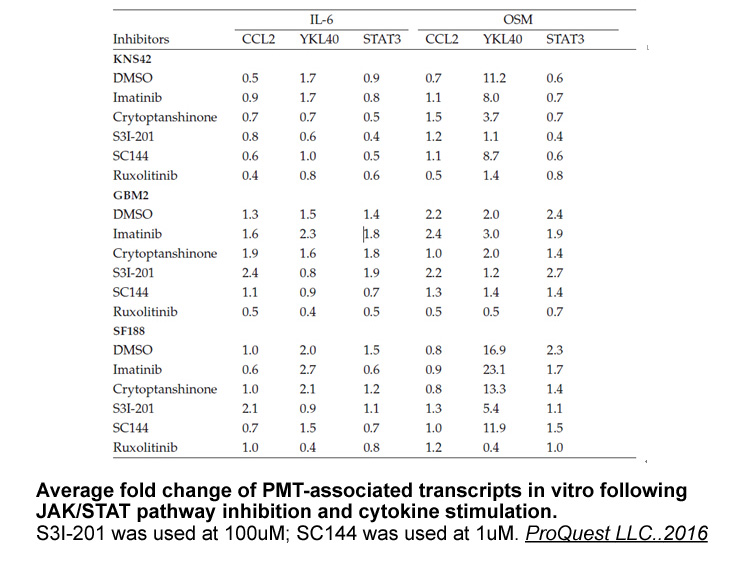
Although mature fibrils formed from Aβ 2-Palmitoylglycerol sale have long been thought to be the main neurodegenerative agents in AD, recent evidence suggests that soluble multimers of these pathogenic proteins, referred to here as “oligomers,” may initiate the synaptic and neuronal dysfunction asso
-
Women are usually at risk of sleep deprivation or restrictio
2024-05-22
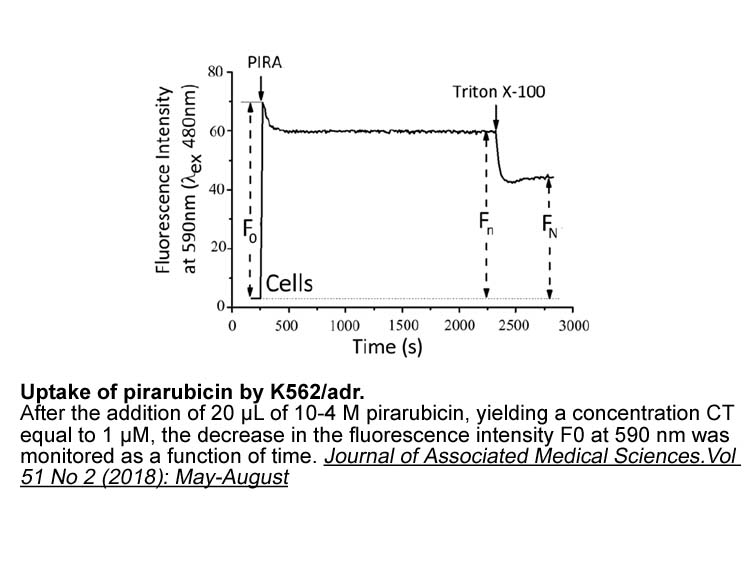
Women are usually at risk of sleep deprivation or restriction during pregnancy, especially in the third trimester of gestation, due to the pregnancy-associated anatomic, physiological and hormonal changes (Pien and Schwab, 2004). However, several major Protease Inhibitor Cocktail (100X in DMSO, EDTA
-
HsALDH enzyme has been purified for the first time in
2024-05-22
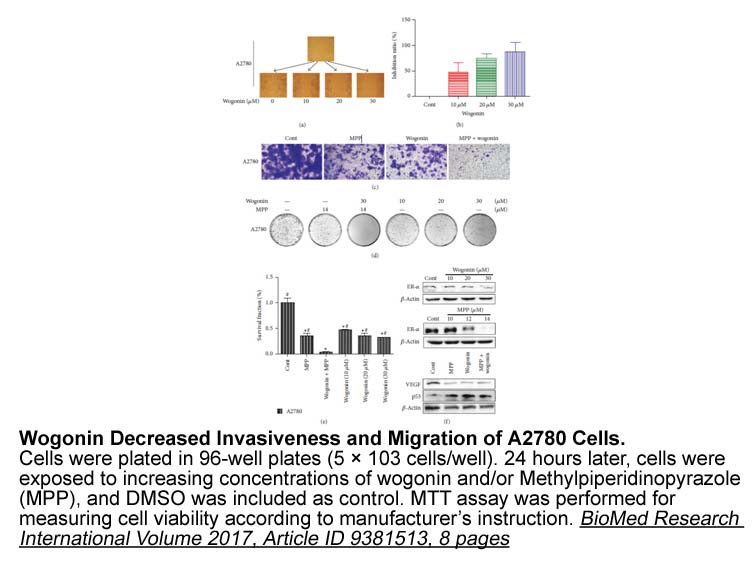
HsALDH enzyme has been purified for the first time in our laboratory from human saliva and has been kinetically characterized using different aromatic substrates [35]. Also, the effect of some common substances frequently encountered by the enzyme in the oral cavity (such as ethanol, hydrogen peroxi
-
The AHR potentially enhances IDO expression possibly via cro
2024-05-22
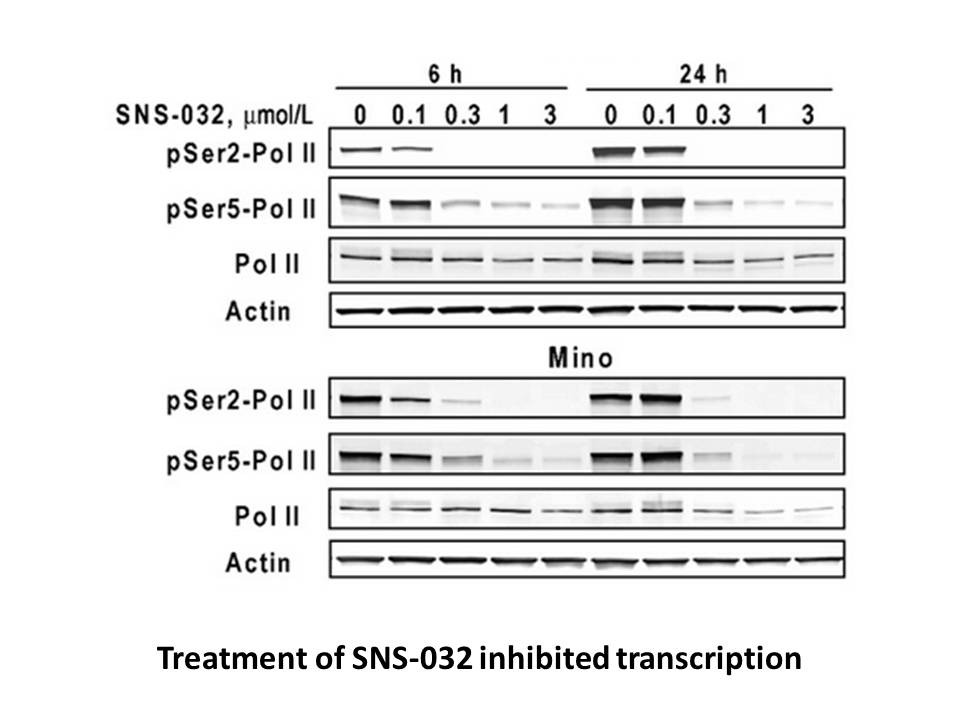
The AHR potentially enhances IDO-expression, possibly via crosstalk with several inflammatory signaling pathways (shown by now for IL6 and ‘signal transducer and activator of transcription’ (STAT) 3, and for NFκB, toll like receptor-pathways) [56,59,60]. IDO metabolizes Trp to kynurenines, which are
-
br Conflict of interest br Acknowledgements We would like
2024-05-22
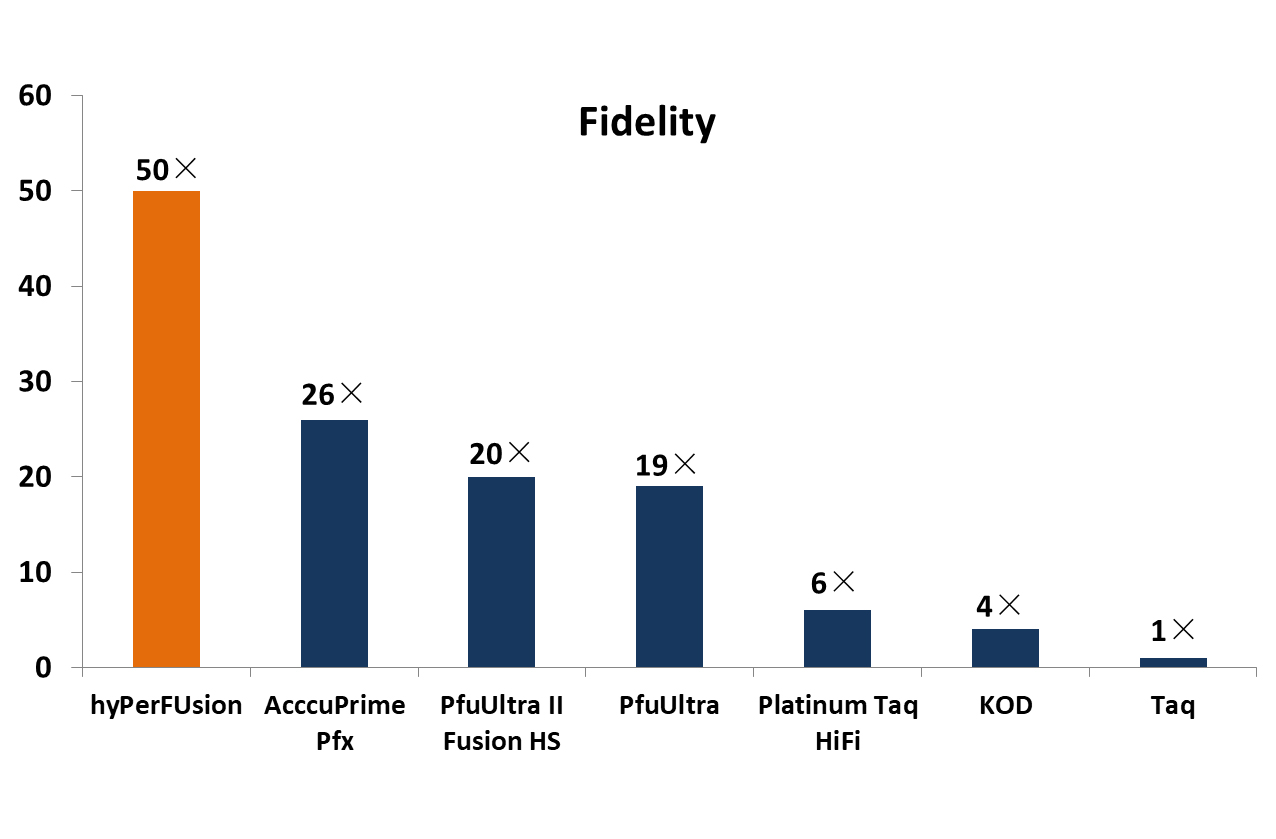
Conflict of interest Acknowledgements We would like to thank Editage (www.editage.jp) for English language editing. This work was supported by Grants-in-Aid for Scientific Research, Japan Society for the Promotion of Science, Grant Number 24592576. Co-existence of β- and β-adrenergic recept
-
Tissue distribution showed that ctrp was
2024-05-22
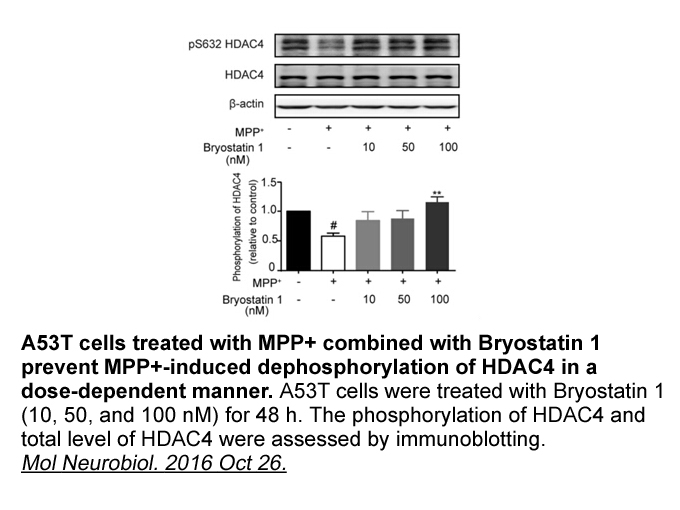
Tissue distribution showed that ctrp9 was abundantly expressed in the kidney of male and female tilapia. In mice, the Ctrp9 was identified in adipose tissue, and the expression levels were higher in females than that of males (Wong et al., 2009). Recent studies indicated that Ctrp9 was also expresse
-
NLX a k a F or befiradol exhibits
2024-05-22
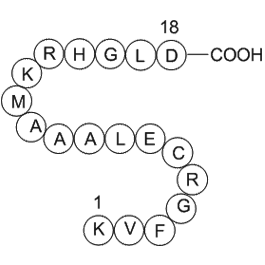
NLX-112 (a.k.a. F13640 or befiradol), exhibits nanomolar affinity at 5-HT1A receptors, and, in PR-619 to the 5-HT1A receptor agonists listed above, it presents exceptional selectivity and high efficacy at these receptors (Colpaert et al., 2002, Newman-Tancredi et al., 2017). Additionally, it has sh
-
Our findings establish a critical
2024-05-22
Our findings establish a critical link between HemAC-Lm dimeric structure and cAMP synthesis that helps in explaining how globin-A domain influences AC domain. The following possible homodimeric structure of wild type full length HemAC-Lm has been proposed to explain the role of this globin-A domain
-
In conclusion we have demonstrated that diaryl pyrazolo
2024-05-22

In conclusion, we have demonstrated that ,-diaryl-1-pyrazolo[3,4-]pyrimidine-3,6-diamines represent a novel class of ACK1 inhibitors. The presence of a polar substituent at C-4 of the N-6 aryl ring was shown to be unnecessary for maintaining high levels of inhibitory activity. Furthermore, selectivi
-
In conclusion we have designed and synthesized a series of
2024-05-21

In conclusion, we have designed and synthesized a series of 4-phenyl-thiazole analogues as potent ATX inhibitors. Total twenty-five compounds were synthesized and evaluated for their inhibitory activity on ATX using FS-3 and human plasma assays. Compound was found to be the most potent derivative p
8497 records 180/567 page Previous Next First page 上5页 176177178179180 下5页 Last page