Archives
- 2026-10
- 2026-09
- 2026-08
- 2026-07
- 2026-06
- 2026-05
- 2026-04
- 2026-03
- 2026-02
- 2026-01
- 2025-12
- 2025-11
- 2025-10
- 2025-09
- 2025-03
- 2025-02
- 2025-01
- 2024-12
- 2024-11
- 2024-10
- 2024-09
- 2024-08
- 2024-07
- 2024-06
- 2024-05
- 2024-04
- 2024-03
- 2024-02
- 2024-01
- 2023-12
- 2023-11
- 2023-10
- 2023-09
- 2023-08
- 2023-07
- 2023-06
- 2023-05
- 2023-04
- 2023-03
- 2023-02
- 2023-01
- 2022-12
- 2022-11
- 2022-10
- 2022-09
- 2022-08
- 2022-07
- 2022-06
- 2022-05
- 2022-04
- 2022-03
- 2022-02
- 2022-01
-
Since pyrrolopyrimidine dithiolanes and both displayed
2024-03-25

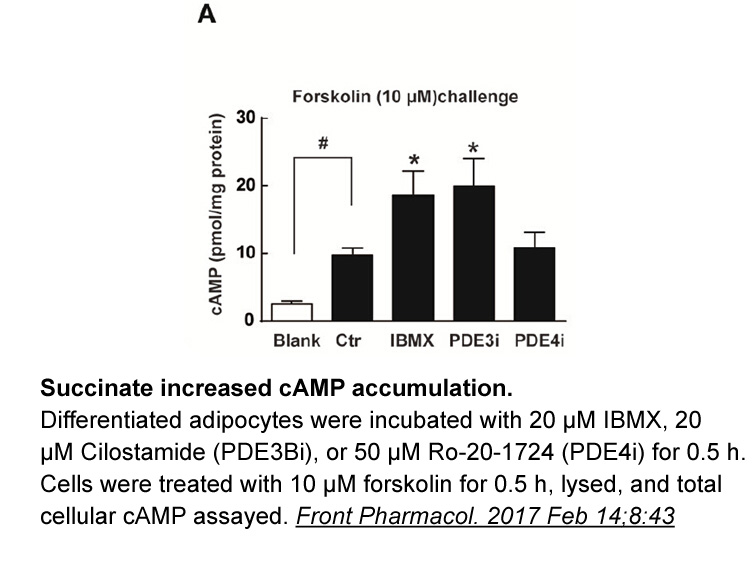
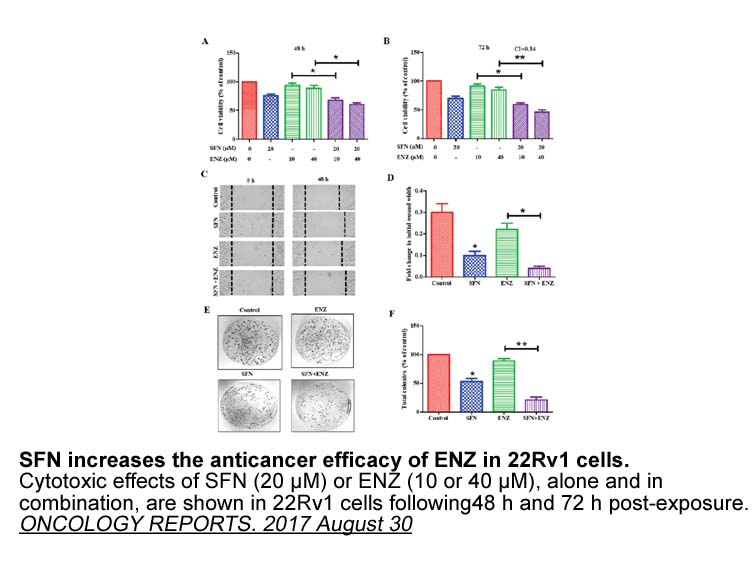
Since pyrrolopyrimidine dithiolanes and both displayed particularly excellent levels of ACK1 inhibition, these analogs were viewed as potential candidates for further investigation in tumor xenograft experiments. While in vitro metabolic studies indicated that pyrrolidine was predicted to be signifi
-
The knowledge on the structure
2024-03-22
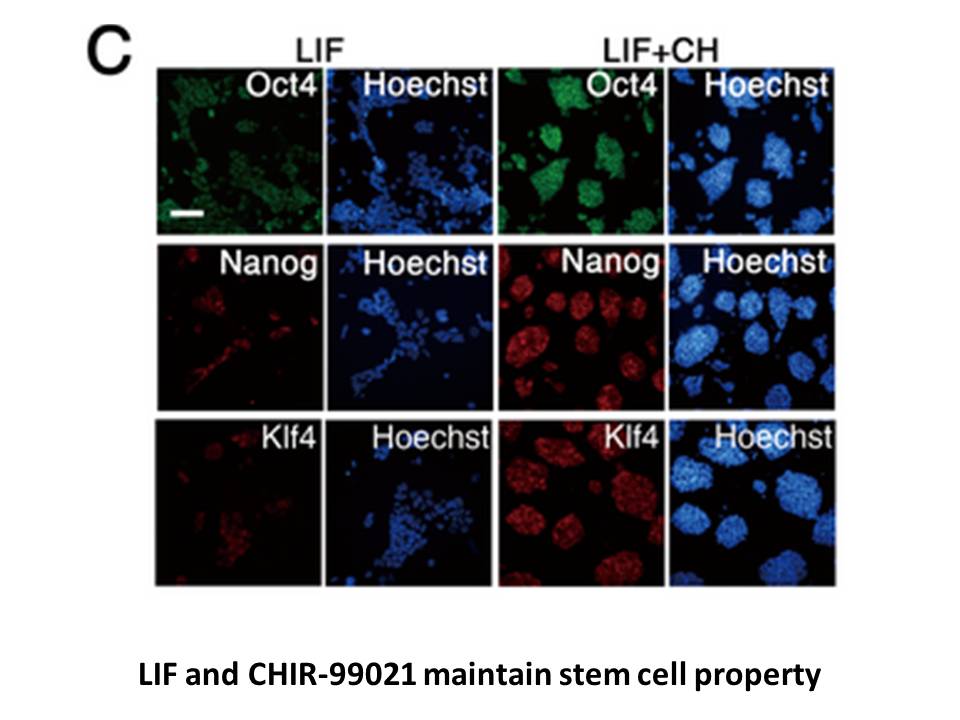
The knowledge on the structure of CYP17, including its active site, provides a rationale for understanding many mutations that are found in enzyme dysfunction in clinical disease as well as the enzyme's dual hydroxylase and lyase catalytic capabilities. This knowledge will assist rational drug desig
-
Introduction Cancer which is responsible for a
2024-03-22

Introduction Cancer, which is responsible for a million deaths each year, is universally feared, and approximately 50% of newly diagnosed cases can be cured [1]. The existing cancer treatments, including surgery, chemotherapy, radiotherapy or a combination of them, are quickly losing efficacy. The
-
Aurora A the polar kinase is located
2024-03-22

Aurora A the ’polar kinase’ is located at the centrosome and is required for its maturation, division, for the mitotic spindle assembly and entry into mitosis., Mutation or transcriptional silencing of Aurora A impairs centrosome maturation and separation, leads to mono/multipolar spindles, to dela
-
Maintaining the normal vaginal fluid acidity is
2024-03-22
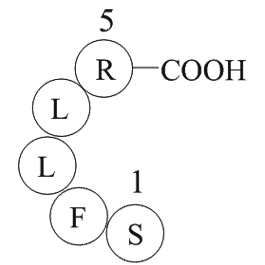
Maintaining the normal vaginal fluid acidity is important for vaginal functions (Wagner and Levin 1984). Estrogen has been shown essential in maintaining the acidity of vaginal fluid, in which its deficiency could cause vaginal fluid pH to increase (Gorodeski et al. 2005). After menopause, low estro
-
br Economics consequences of antibiotic resistance in a
2024-03-22
Economics consequences of antibiotic resistance in a SICU In the era of cost-containment, surgeons also need to consider the economic impact of antibiotic resistance in the surgical patient. Antibiotic-resistant infections are more difficult to treat, are more costly and more likely to be fatal t
-
The SMN and SMN promoters are regulated by transcription
2024-03-22
The SMN1 and SMN2 promoters are regulated by transcription factors such as E26 transformation-specific domain containing protein (ELK-1) and cAMP response element-binding protein (CREB) 58, 59. Compared with WT animals, mice with SMA exhibit increased and decreased ELK-1 and CREB phosphorylation, re
-
In human epidermoid carcinoma A cells lipoxygenase was signi
2024-03-22
In human epidermoid carcinoma A431 cells, 12-lipoxygenase was significantly increased in glutathione-depleted cells. The relative abundance of phospholipid hydroperoxide versus glutathione peroxidase seems to play an important role in controlling the lipoxygenase reaction [57]. It has been proposed
-
Differentiation of skeletal myoblasts is a tightly orchestra
2024-03-21
Differentiation of skeletal myoblasts is a tightly orchestrated process that involves myoblast proliferation, 4-Aminobutyric acid australia withdrawal, expression of muscle-specific genes, and fusion into multinucleated myofibers (Horsley and Pavlath, 2004; Krauss, 2010). The maintenance of muscle
-
Microbe derived ligands can also
2024-03-21
Microbe-derived ligands can also activate AHR. Malassezia, a commensal yeast in human skin, can metabolize tryptophan into several AHR activating compounds including FICZ and ICZ [59]. Lactobacillus converts tryptophan into indole-3-aldehyde (IAld), which can activate AHR and promote IL-22 productio
-
A decrease in lactate concentration in the incubation medium
2024-03-21
A decrease in lactate concentration in the incubation medium was observed in samples treated with heparin and 2′,5′-dideoxyadenosine compared with the control (0.05; Fig. 2B). Discussion In the present study we compared the oxidative metabolism and intracellular signals of heparin, the glycosami
-
The pathogenesis of d penicillamine induced MG is
2024-03-21
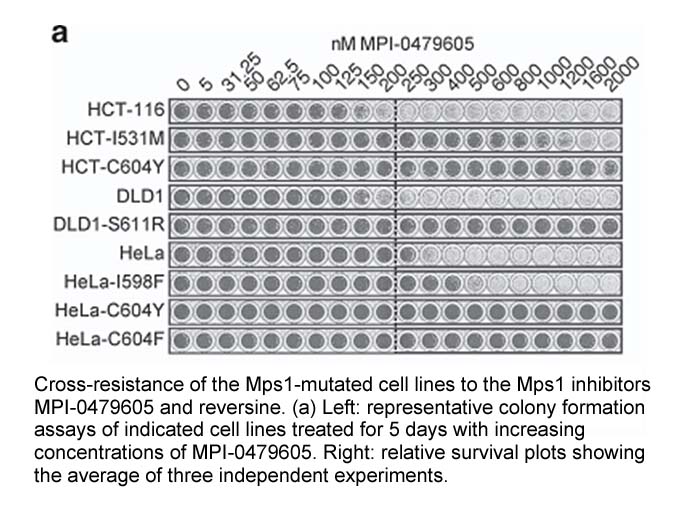
The pathogenesis of d-penicillamine-induced MG is not clear. The repertoire of anti-AChR dihydrofolate reductase in d-penicillamine-induced MG has been shown to be similar to that in idiopathic MG in terms of AChR antigenic regions, suggesting a common immune mechanism (Tzartos et al., 1988). Abou
-
During myeloid cell maturation expression of LO mRNA and
2024-03-21
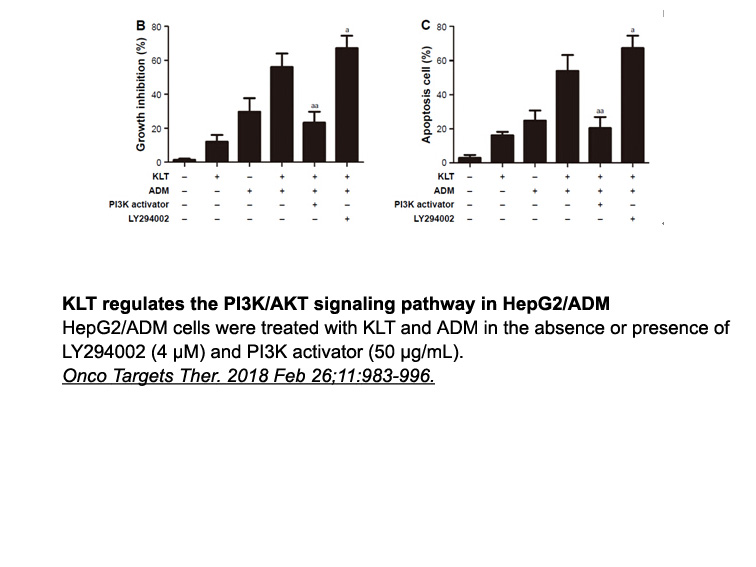
During myeloid cell maturation, expression of 5-LO mRNA and protein is strongly induced (60–130-fold) by calcitriol (1,25(OH)2D3) and transforming growth factor-β (TGFβ) [6,7]. The upregulation of 5-LO mRNA transcription is mainly due to transcript elongation and mRNA maturation [8,9]. Interestingly
-
The first natural product described as LO inhibitor
2024-03-21
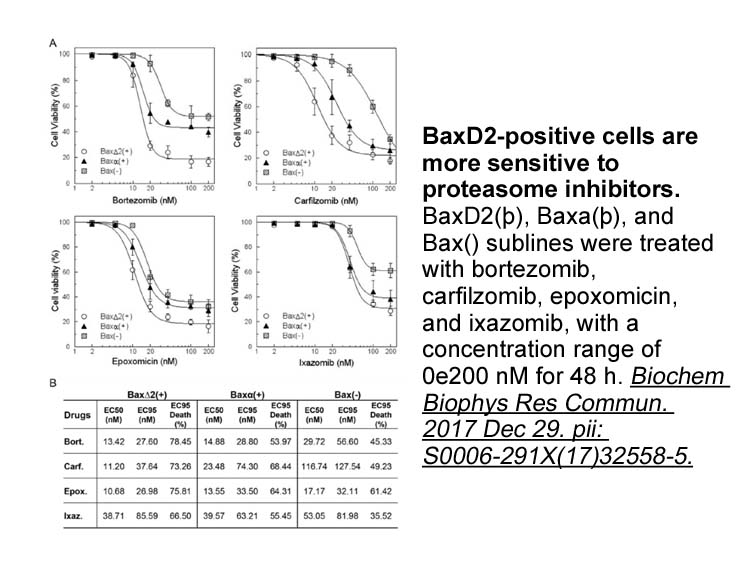
The first natural product described as 5-LO inhibitor was the polyphenol nordihydroguaiaretic protein kinase g from the Mexican dessert plant Larrea divaricata in 1981 (Bokoch and Reed, 1981), short after the initial identification of 5-LO in 1979 (Borgeat and Samuelsson, 1979). Long time before mP
-
Physiology genetics and biochemistry of CYP
2024-03-21
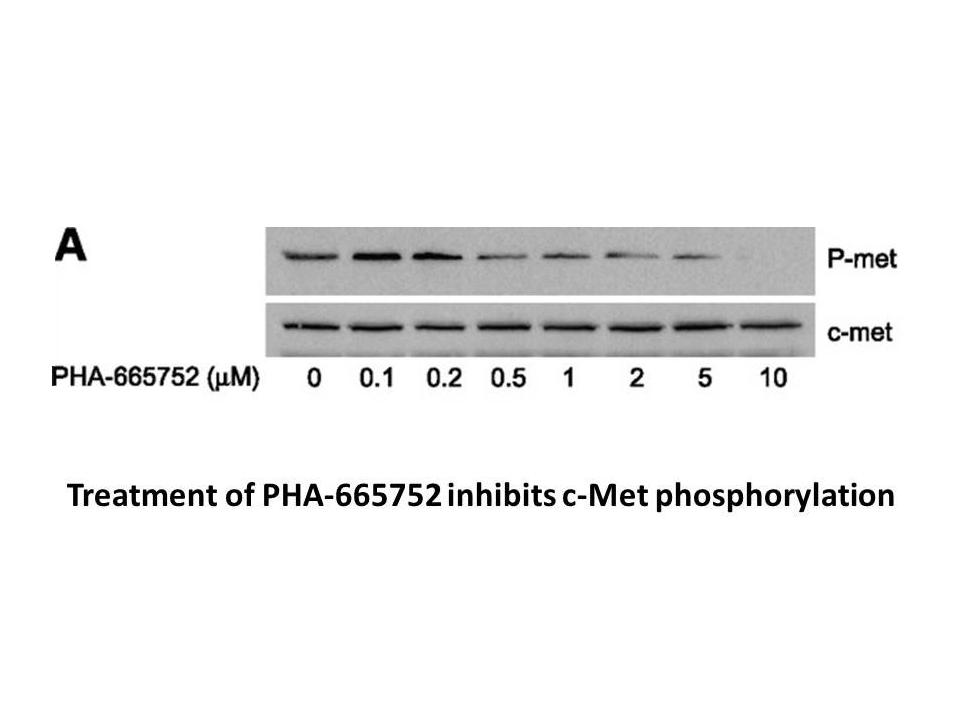
Physiology, genetics, and kras-pdeδ pathway of CYP17A1 Clinical presentation and diagnosis Treatment Acknowledgements I thank Dr. Hwei-Ming Peng for assistance with preparing Fig. 3. This work was supported by grant R01GM086596 from the National Institutes of Health. Introduction Prost
8496 records 212/567 page Previous Next First page 上5页 211212213214215 下5页 Last page