Archives
- 2026-07
- 2026-06
- 2026-05
- 2026-04
- 2026-03
- 2026-02
- 2026-01
- 2025-12
- 2025-11
- 2025-10
- 2025-09
- 2025-03
- 2025-02
- 2025-01
- 2024-12
- 2024-11
- 2024-10
- 2024-09
- 2024-08
- 2024-07
- 2024-06
- 2024-05
- 2024-04
- 2024-03
- 2024-02
- 2024-01
- 2023-12
- 2023-11
- 2023-10
- 2023-09
- 2023-08
- 2023-07
- 2023-06
- 2023-05
- 2023-04
- 2023-03
- 2023-02
- 2023-01
- 2022-12
- 2022-11
- 2022-10
- 2022-09
- 2022-08
- 2022-07
- 2022-06
- 2022-05
- 2022-04
- 2022-03
- 2022-02
- 2022-01
- 2021-12
- 2021-11
- 2021-10
- 2021-09
- 2021-08
- 2021-07
- 2021-06
- 2021-05
- 2021-04
- 2021-03
- 2021-02
- 2021-01
- 2020-12
- 2020-11
- 2020-10
- 2020-09
- 2020-08
- 2020-07
- 2020-06
- 2020-05
- 2020-04
- 2020-03
- 2020-02
- 2020-01
- 2019-12
- 2019-11
- 2019-10
- 2019-09
- 2019-08
- 2019-07
- 2019-06
- 2019-05
- 2019-04
- 2018-07
-
Acanthopanax senticosus Rupr Maxim Harms a
2020-03-17
Acanthopanax senticosus (Rupr. & Maxim.) Harms, a nontoxic herb belongs to the family of Araliaceae, which found in Northeast Asia. A. senticosus traditionally used as a tonic to treat rheumatism, diabetes, and hepatitis [7]. Previous phytochemical and biological investigations found its roots and s
-
We next focused our design building into
2020-03-16
We next focused our design building into the ribose binding site, which had not been yet utilized in this effort. Compounds bearing a series of five-membered aromatic heterocycles (compound , ) showed reduced inhibition of the Gram-positive isozymes compared with compound , but a 20-fold improved po
-
Herein we explored by docking studies
2020-03-16
Herein, we explored by docking studies the effectiveness of replacing the dimethyl substitution at C (6) of dihydrotriazine with a folded azaspiro-containing substituent, along with the introduction of differently substituted phenyl- and benzyl-rings or alkyl chains, linked at the position 1 of the
-
Although CCR expression clearly identifies MBC
2020-03-16
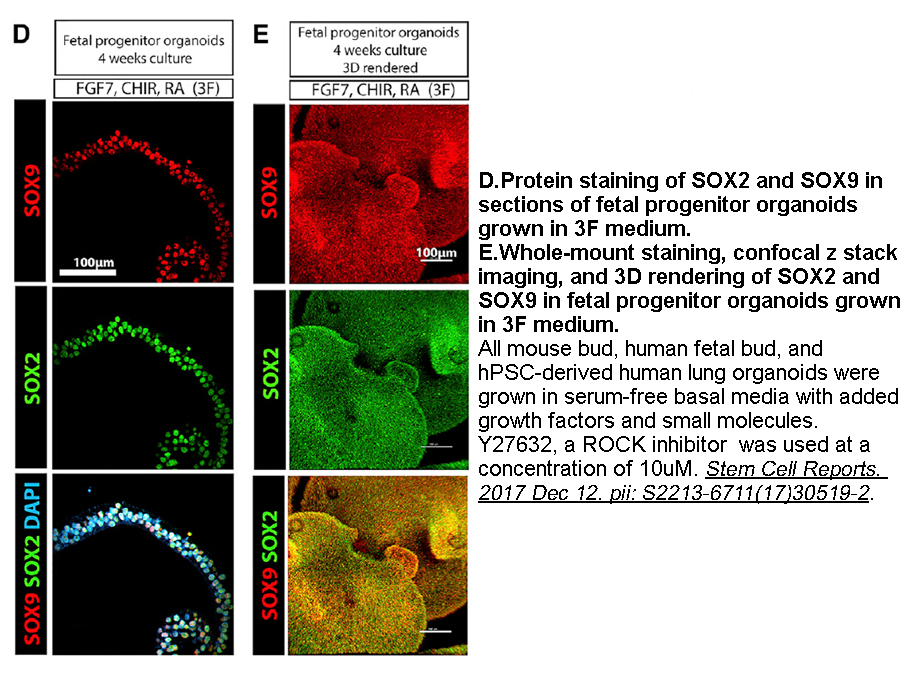
Although CCR6 expression clearly identifies MBC precursors within the GC, we found that the expression of this chemokine receptor by responding veramyst was not required for MBC differentiation and had no detectable impact on the GC subsets analyzed in this study. Although this is in agreement with
-
Most data regarding fish CXCR functions have
2020-03-16
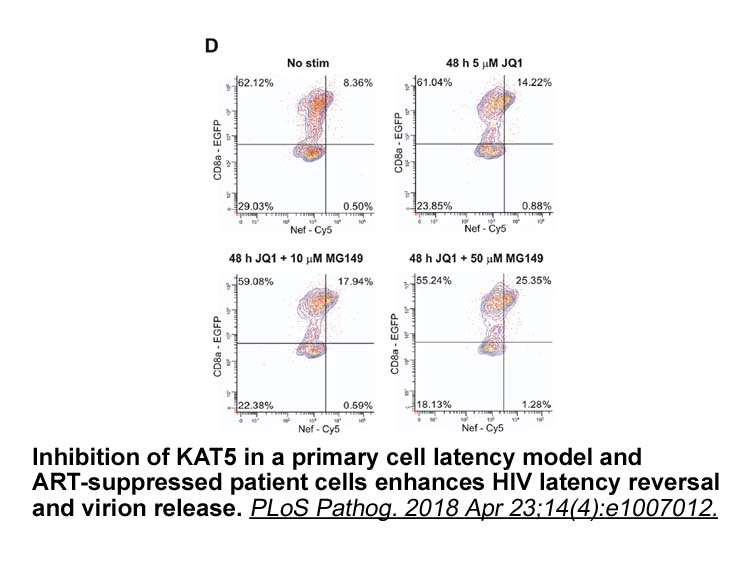
Most data regarding fish CXCR4 functions have accumulated from work in zebrafish where a range of genetic tools and imaging technologies have been developed. As mentioned above, in teleost fish the two CXCR4s (CXCR4a and 4b) are assumed to interact with two ligands (CXCL12a and 12b) and this differe
-
Prostaglandins PGs are lipid mediators that exhibit
2020-03-16
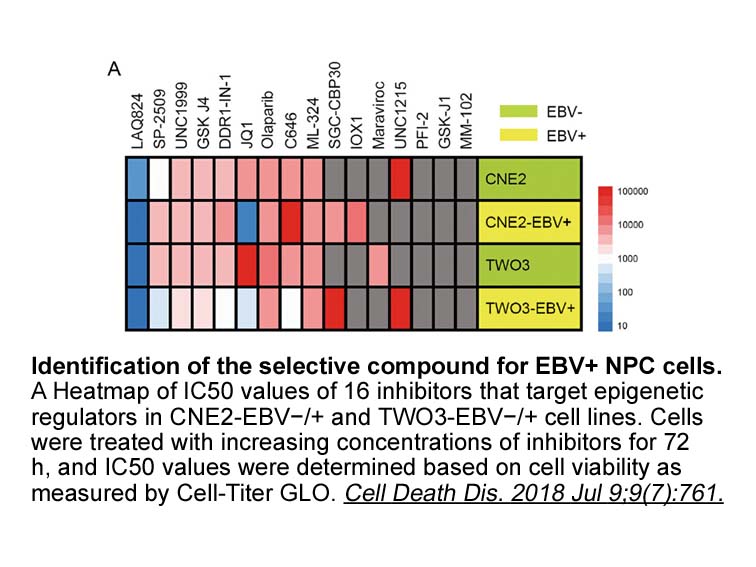
Prostaglandins (PGs) are lipid mediators that exhibit a variety of physiological properties by interacting specific G protein-coupled receptors (GPCRs) [10]. PGD2 is synthesized from PGH2 through two distinct PGD synthases; lipocalin-type PGD synthase (L-PGDS) and hematopoietic PGD synthase (H-PGDS)
-
The most common pathology associated with FGR is
2020-03-16
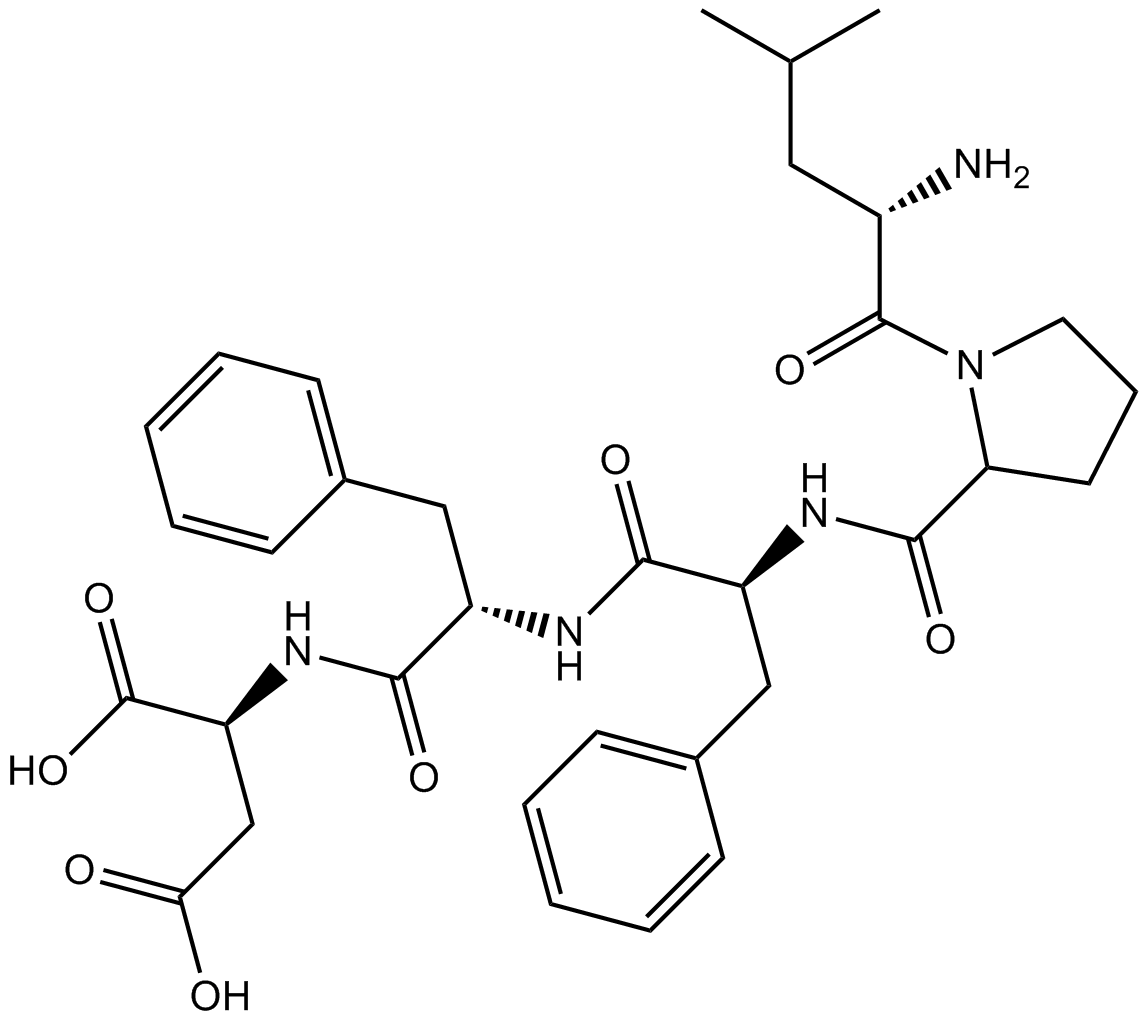
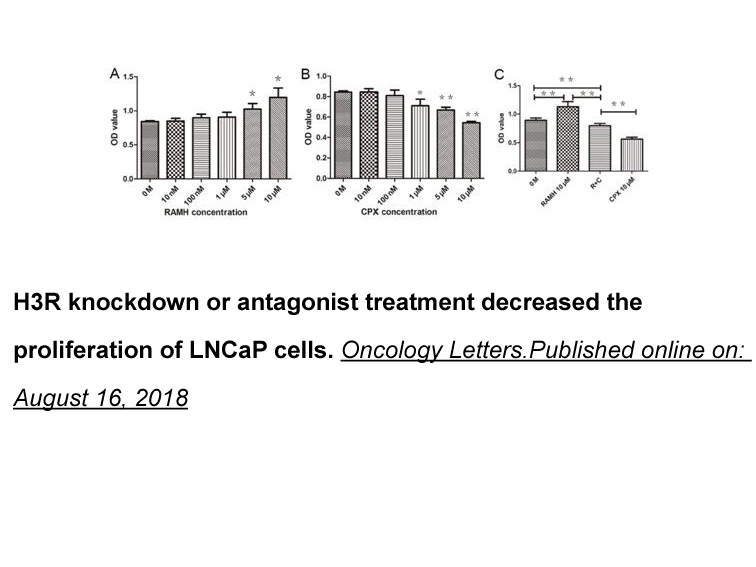
The most common pathology associated with FGR is poor placental perfusion as a result of abnormal placentation [4]. Placental developmental disorders and insufficient hormone synthesis may lead to FGR [5,6]. However, the exact mechanism responsible for abnormal placental development remains unclear.
-
Which other approaches can complement signaling optogenetics
2020-03-16
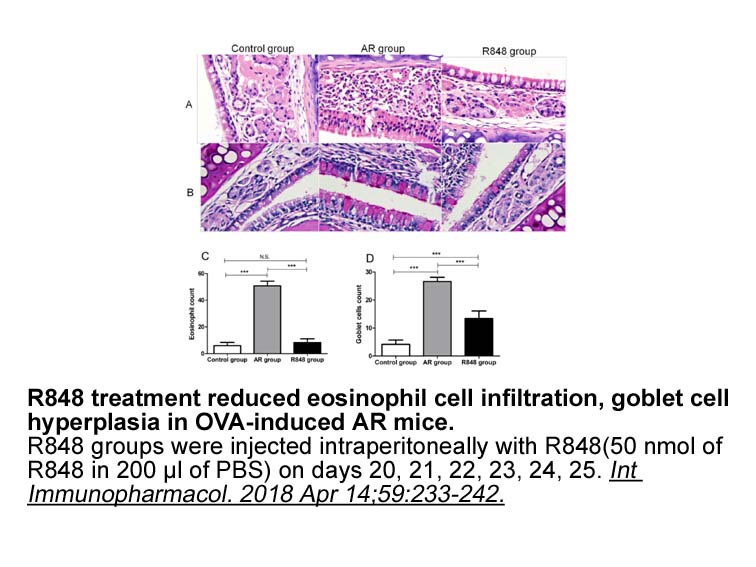
Which other approaches can complement signaling optogenetics to paint a more complete picture of developmental Erk signaling? For now, the authors have dynamically manipulated Erk signaling but measured the Erk output at steady-state using classic immunofluorescence techniques (Johnson and Toettcher
-
br Materials and methods br Results
2020-03-13
Materials and methods Results Among 17,061 probes, the Decernotinib of 758 probes (4.4%) showed at least a 2-fold upregulation (230 probes) or downregulation (528 probes) at day 3 after VMH lesioning as compared with sham-VMH lesioning. Supplement Table 1 shows the upregulated (>2-fold) and t
-
Everolimus treatment showed an increase in the number
2020-03-13
Everolimus treatment showed an increase in the number of plaques and a reduction in plaque size, depending on concentration and treatment time (Fig. 1, Fig. 2). Everolimus-pretreated Exo1 adsorbed less virus with more plaque formation in the initial phase of infection (Fig. 3). The ability and effi
-
br Results and discussion In the present study
2020-03-13
Results and discussion In the present study, we used a set of compounds (Fig. 2) consisting of ATP (a), dATP (b), an ATP analog containing β,γ-nonhydrolyzable hypophosphate P-P bond (c), and three pairs of P-diastereoisomers of α-thio-ATP analogs (d,e,f) containing a sulfur L-Glutathione Reduced
-
CYP enzymes have an important
2020-03-13
CYP450 hydroxychloroquine sulfate have an important role in microsomal oxidase function across a broad range of taxa (Pakharukova et al., 2012). They are involved in metabolism and detoxification of both internally generated compounds and xenobiotics as the phase I metabolizing enzymes and play an i
-
Diclofenac ibuprofen and meloxicam are considered
2020-03-13
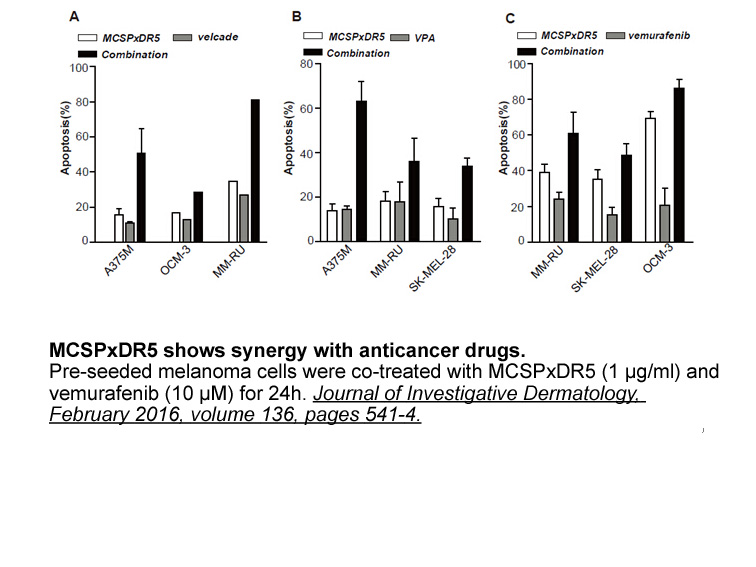
Diclofenac, ibuprofen, and meloxicam are considered among the most commonly used NSAIDs in many countries [4]. Cardiovascular events were reported with these NSAIDs in several clinical studies. In this study, we provide novel information that diclofenac and ibuprofen altered gene expression and may
-
Previous studies have documented that SCFAs may elicit effec
2020-03-13
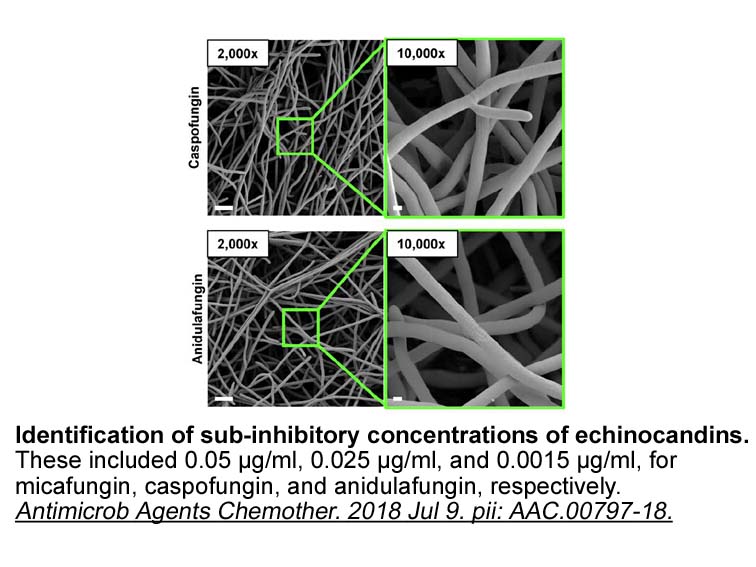
Previous studies have documented that SCFAs may elicit effects on lipid metabolism via de novo synthesis and transport. Acetate is not only used as an energy source, but is also constituted as a substrate for the cholesterol synthesis in the liver through acetyl-CoA, thus affecting plasma cholestero
-
In summary A is a potent orally available
2020-03-13
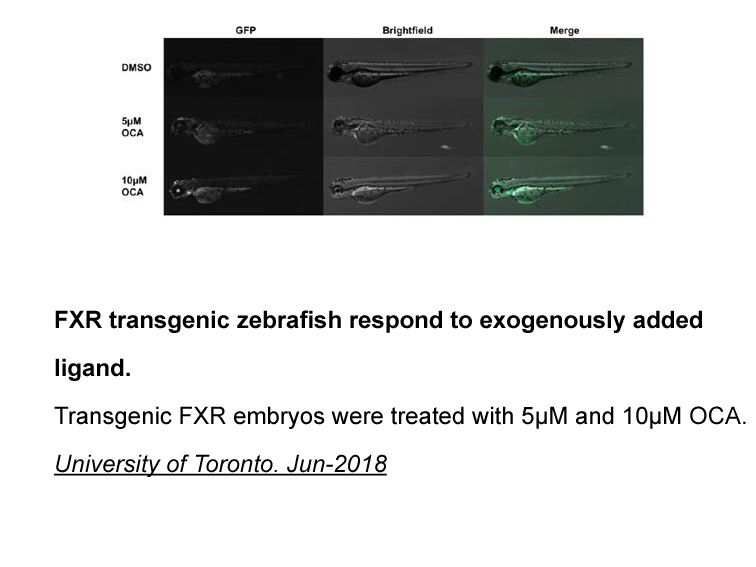
In summary, A-216546 is a potent, orally available endothelin receptor antagonist with a high selectivity for the endothelin ETA receptor. The potency and bioavailability of A-216546 suggest that it will have important utility for preclinical evaluation of the pathophysiology of the endothelin syste
16341 records 911/1090 page Previous Next First page 上5页 911912913914915 下5页 Last page